The Historic Buildings of the Former Imperial Residence
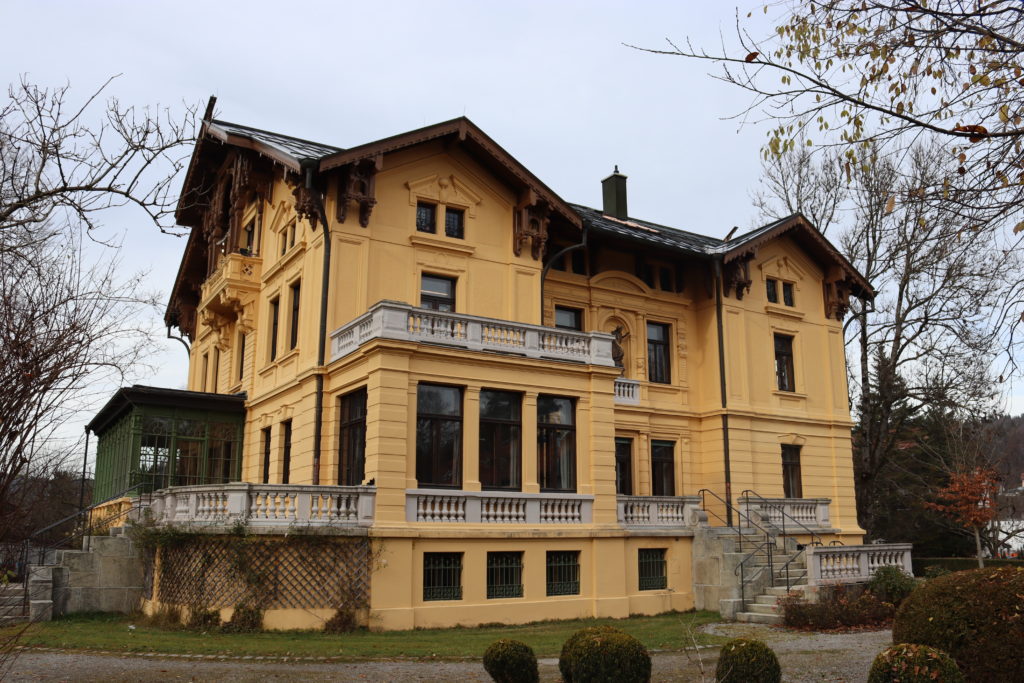
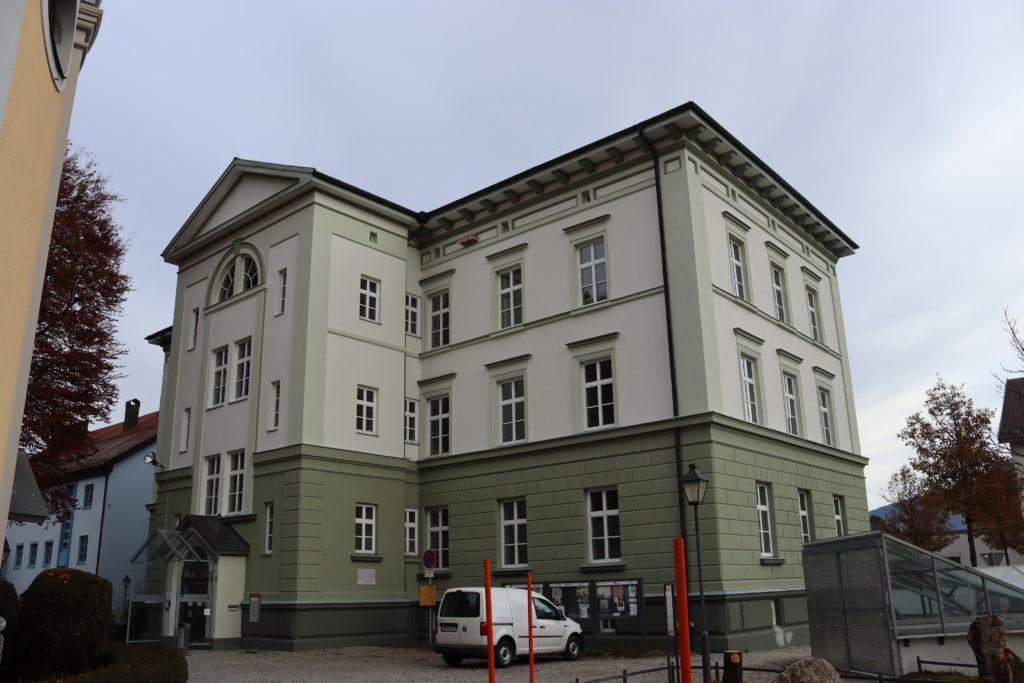
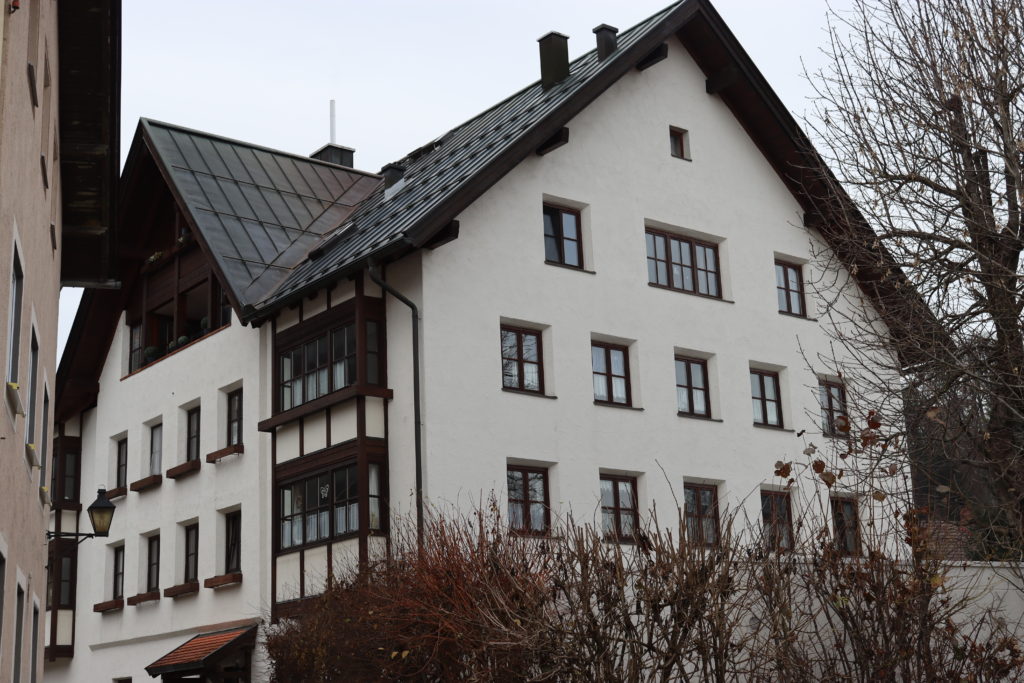
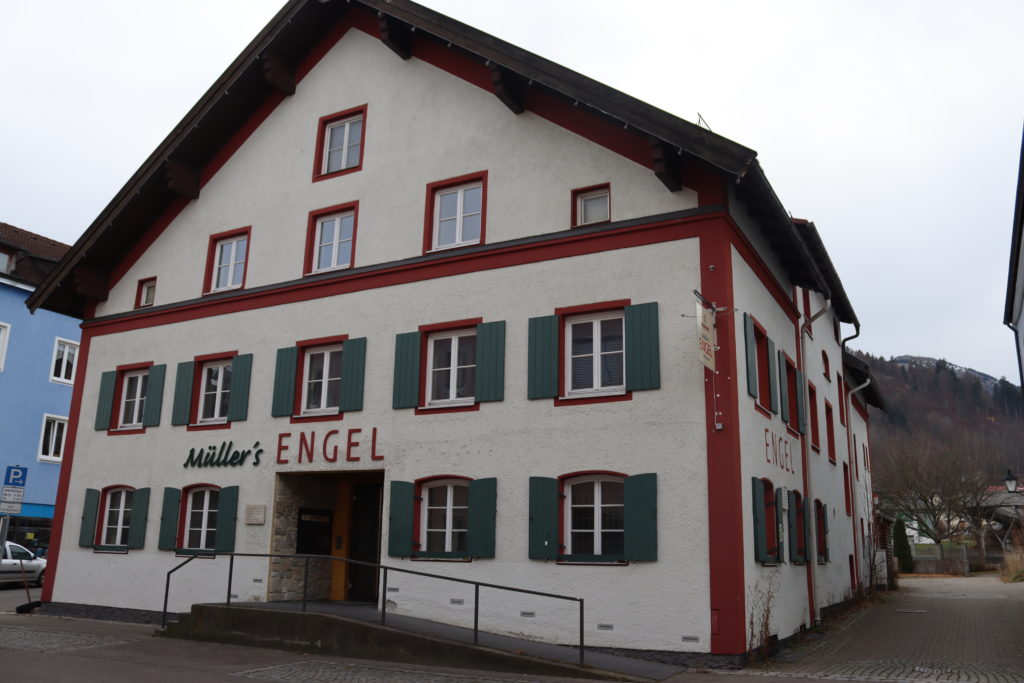
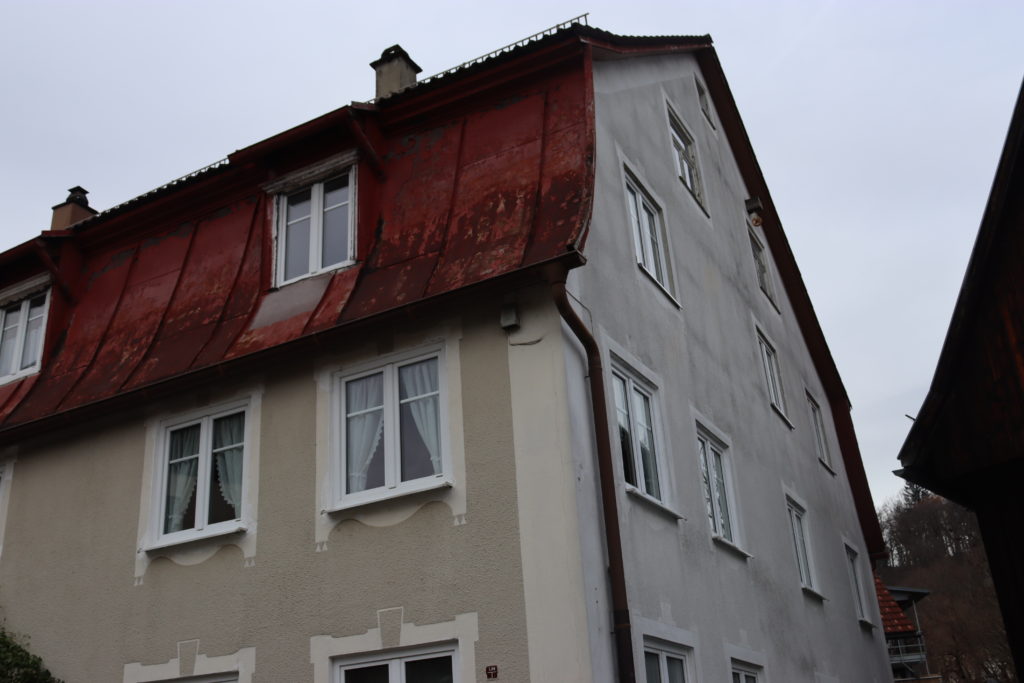
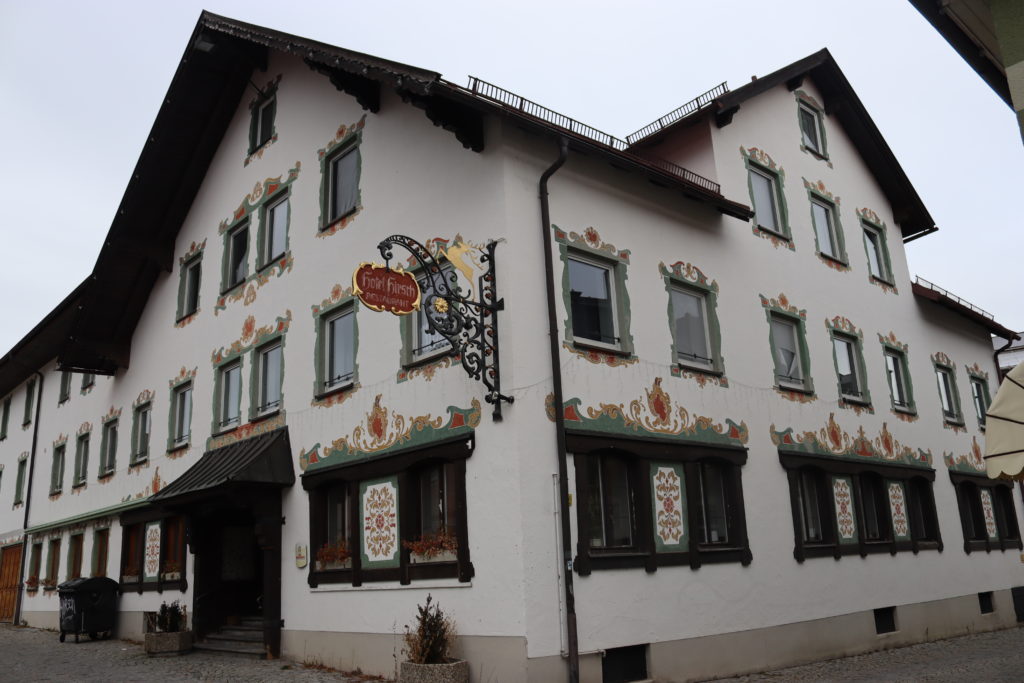
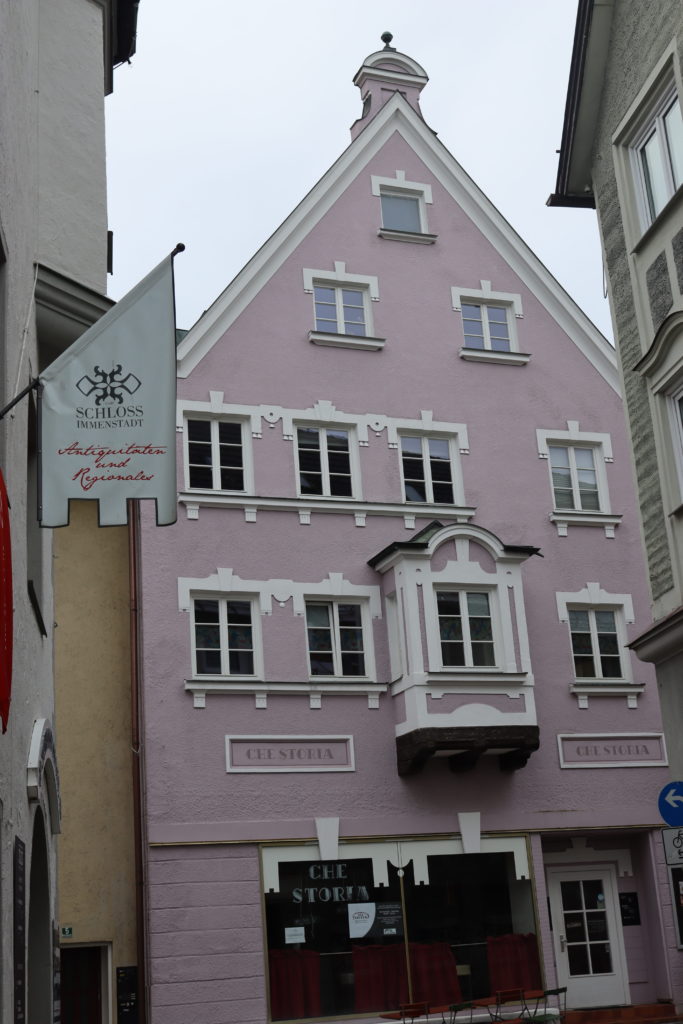
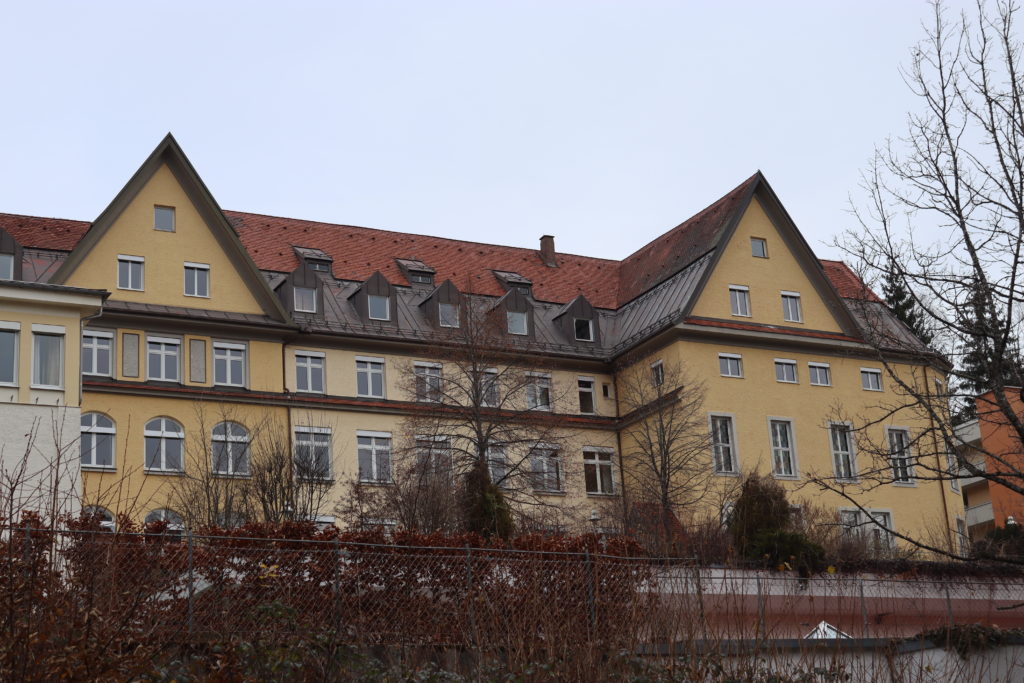
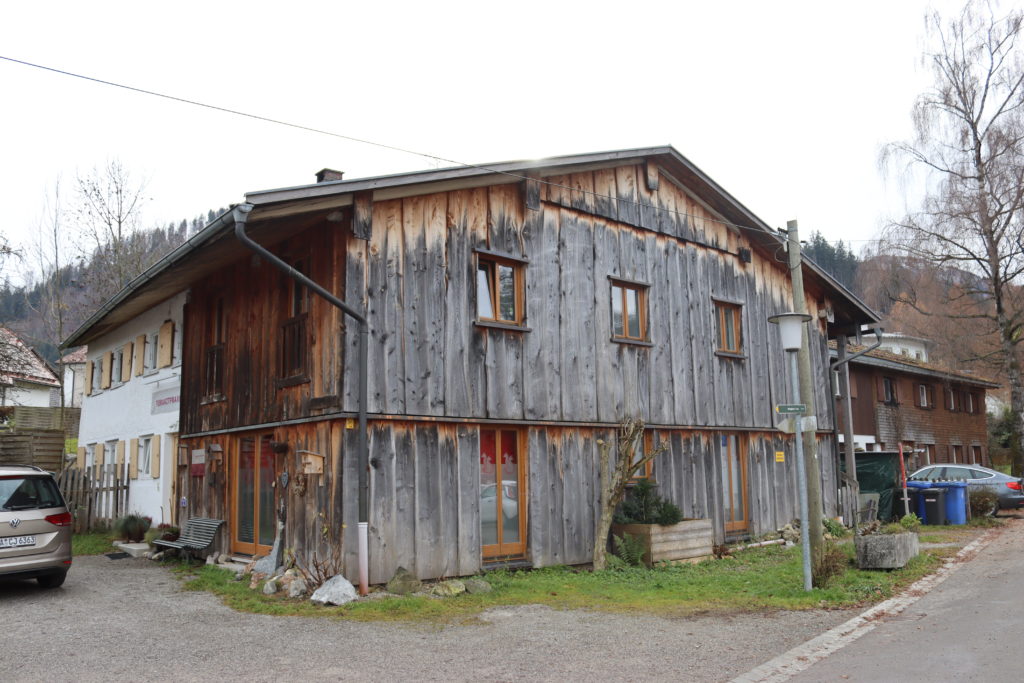
The „Villa Edelweiß“ was built in 1882/1884 by the architect Jean Keller as a representative Gründerzeit or Wilhelmian-Villa. It is a listed building and today houses the municipal music school.Up until the year 1874, the tavern „Zur Sonne“ occupied this site. However, due to the high demand for school rooms, the town converted it into a school building in the Renaissance style. The listed building has been a municipal office building since 1988.The stately dye house was acquired by the dyer Jörg Weiß in 1579. After the building was destroyed in a great town fire of 1844, the dye works had to cease operations. In 1974, the “Deutsches Haus” (German House) tavern was built. Today the house is privately owned.The tavern “Zum Goldenen Engel” was run by the painter Johann Michael Herz in 1767. It burned down in 1861 and was taken over by the town some time after that. It was not until 2003, that the building was reopened after extensive modernization work. In 2014, it was taken over by the Müllers, a family of butchers.The „Gerberhaus“ (Tanner House) was built in 1700 by Rotgerber am Steigbach. In the 18th century it passed into the ownership of master tanner and town mayor Xaver Hagspiel, and it was not until 1904 that the business was closed down and the listed house converted into a residential building.Der „Goldener Adler“ is considered to be the oldest lodging establishment in the Alllgäu. The tavern was owned by the Lords of Laubenberg in 1360 and was then acquired by Count Heinrich von Montfort. In 1777, Emperor Josef II of Austria stayed here. The stables used to be on the ground floor and the guest parlour was located on the first floor. Today, the building is a listed building and privately owned.The hotel „Goldener Hirsch“ was sold in 1671 by the imperial vice-chancellor Count Leopold Wilhelm von Königsegg-Rothenfels to the barber Johanes Knechtenhofer. In 1980, the hotel was rebuilt. In earlier days, theatre performances would be held here. Built in 1685, the „Gräfliche Rentamt“ was erected by a rent collector as an official building. He collected the taxes for the lordship and the realm from its subjects. The house has been privately owned since 1827. Today it houses a restaurant.The „Mädchen-Realschule Maria Stern“ (Maria Stern Secondary School for Girls) is the property of the Maria Stern Monastery, which was founded in Augsburg in 1258. In 1826, the convent sisters were commissioned by King Ludwig I to devote themselves to the education of girls. As a result, the sisters came to Immenstadt in 1881 to carry out this task. In January 1994, the secondary school was transferred to the sponsorship of the Catholic School Association of the Diocese of Augsburg.Built around 1700, this is the oldest farmhouse still standing in Immenstadt. The house was located in a settlement area inhabited by a peasant-structured class of the population. The „Sigelhof“ was not included in the protective wall area of the town.